
Things to Do Instead of Scrolling: Pinterest's Offline Trend
Searches for things to do instead of scrolling jumped 365% on Pinterest. Here is how creators can turn the offline trend into content people save and use.
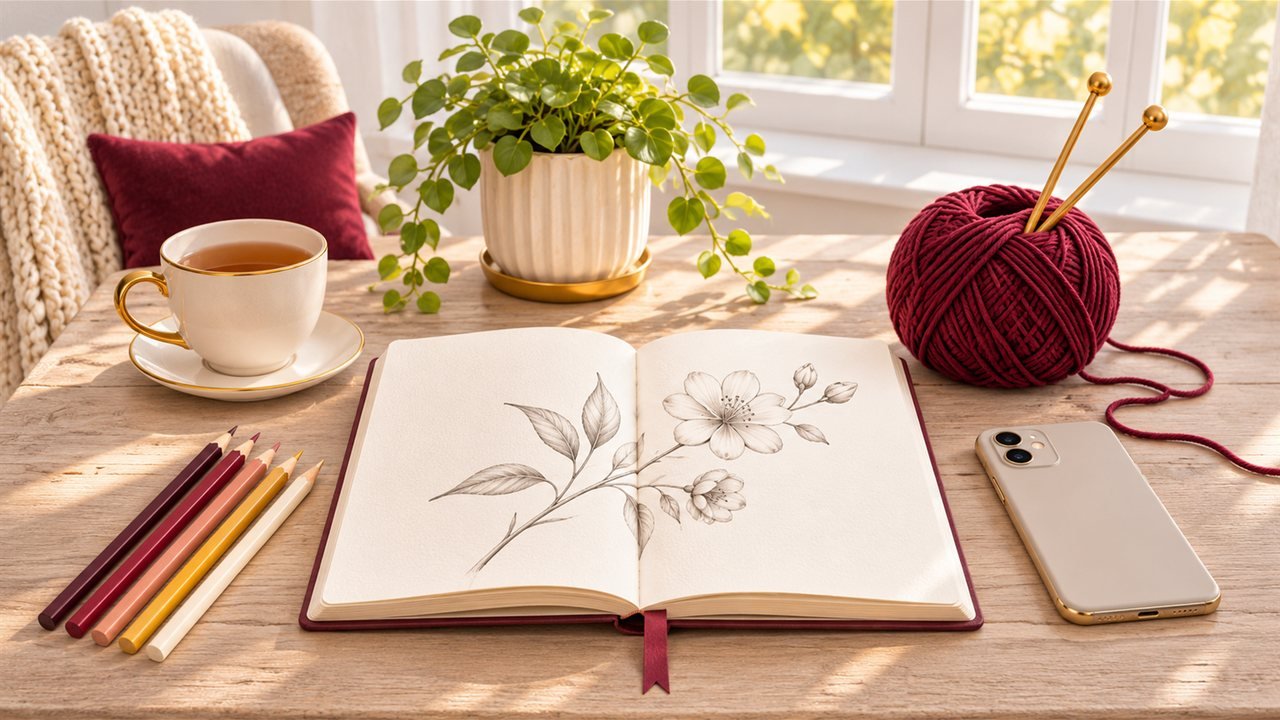
People are actively searching for things to do instead of scrolling, and Pinterest says that search grew 365%. This guide explains what Pinterest found, why it matters for creators, and gives you ready-to-use content formats that people save and then actually do offline.
What Pinterest found about Gen Z and unplugging
In October 2026, Pinterest CMO Claudine Cheever published a piece on the Pinterest Newsroom called "Why intention matters more than attention." It shares a set of numbers about how young people feel about their phones:
- Four in ten US Gen Zers wish social media had never been created.
- Seven in ten US Gen Zers (and three in five millennials) think they use their smartphones too much.
- Pinterest searches for "things to do instead of scrolling" rose 365%.
- Related searches also grew: "analog aesthetic" (+260%), "dumb phone" (+150%), nature film photography (+210%) and charcuterie board pottery (+676%).
- Phone-free events rose 567% globally, according to the same piece.
Creator news roundups from Stack Influence described this as Pinterest's "offline-first playbook" and added another figure: 63% of Gen Z adults want to unplug more intentionally.
Pinterest's message is clear: the platform wants to be "the reason they go offline", not the reason people stay glued to a feed. For creators, that is a hint about what kind of content will be saved and shared.
Why offline content still wins online
This sounds like a paradox: how do you grow on social media by telling people to put their phone down? The answer is save value. A post that helps someone plan a real activity gets saved, revisited and sent to friends. That is very different from a funny clip that is watched once and forgotten.
Content that leads to action usually has three things:
- A clear outcome ("a Saturday without your phone", "a 20-minute sketch habit").
- A list or plan people can follow step by step.
- Low cost and low skill so almost anyone can start.
If you already make carousels or idea pins, our carousel playbook for saves and shares works well with this trend.
8 content formats for things to do instead of scrolling
1. The "instead of scrolling" swap list
A simple list: "10 things to do instead of scrolling at night." Make each item specific: "write three lines in a journal", "stretch for five minutes", "sort one drawer". Specific beats vague.
2. Beginner hobby starter kits
Show the minimum you need to start a hobby: sketching, crochet, film photography, pottery, gardening, baking bread. List tools, a first project and a realistic time estimate. Do not promise results.
3. Printable plans and checklists
A one-page "phone-free weekend plan", a "30-day analog challenge" calendar or a reading log. Printables are naturally saveable, and they work as lead magnets for a newsletter.
4. Offline challenges
"7-day offline evenings challenge": one small activity per day. Post a day-by-day series so people follow along. Invite them to share results in the comments, which also brings them back.
5. Local outing guides
"Five free things to do in your city on a Sunday morning": parks, libraries, markets, walking routes. Keep it practical: opening hours to check, what to bring, how to get there.
6. Analog aesthetic routines
Pinterest saw "analog aesthetic" grow 260%. Show a calm morning routine with a paper planner, a film camera or a record player, but focus on the habit, not on buying lots of things.
7. Group activity ideas
Game nights, potluck themes, a phone basket at the door during dinner. These are easy to share with friends, which helps reach.
8. Before and after the hobby
Document your first attempt and your tenth attempt at a skill. It is honest, motivating and shows that beginners can start.
How to make the content people save
Use this checklist for each post:
- Headline with the search phrase: "Things to do instead of scrolling (that cost almost nothing)".
- One promise only: one activity, one plan or one list per post.
- Steps with numbers: time, materials, order.
- Accessible options: a free version and a budget version of each idea.
- A save prompt that is useful, not pushy: "Save this for your next free evening."
- Keywords in the description: hobby names, "offline", "screen-free", "weekend plan".
A ready-to-use caption template
Tired of scrolling at night? Here are [number] things to do instead, each takes under [time] and needs only [materials]. Pick one tonight and tell me which one you tried. Save this for later.
A prompt for brainstorming with AI
Act as a content strategist. Give me 15 low-cost, beginner-friendly activities people can do instead of scrolling, grouped by: at home alone, with friends, outdoors. For each one, give a 1-line description, the materials needed and a realistic time estimate. Avoid anything that requires expensive equipment.
Check every idea yourself before posting. AI suggestions can include things that are unsafe, expensive or unrealistic.
Mistakes to avoid
- Preaching: do not shame people for using their phones. Offer alternatives.
- Overconsumption: an offline trend that becomes "buy these 20 aesthetic items" misses the point.
- Fake stats: only use numbers from Pinterest or other sources you can link.
- Health claims: avoid saying an activity cures anxiety or improves mental health. Keep it to general well-being tips.
- Making it a one-off: treat this as a series so people return.
If you also want to protect your own energy as a creator, our healthy creator habits guide covers boundaries with your phone.
How this fits with Pinterest strategy
Pinterest is a search-and-save platform, so evergreen ideas can keep getting views for months. Pair this trend with a solid Pinterest setup, and look at our guide on Pinterest creator pins as ads if you work with brands. Crafts, stationery, hobby and outdoor brands fit naturally with offline content, as long as you disclose any paid partnership.
Key takeaways
- Pinterest reports a 365% rise in searches for "things to do instead of scrolling".
- Gen Z says it wants to unplug more, and creators can help with saveable, actionable content.
- The best formats are swap lists, beginner hobby kits, printable plans and offline challenges.
- Keep ideas cheap, specific and honest; avoid preaching and health claims.
FAQ
What are good things to do instead of scrolling?
Simple options include journaling, sketching, reading, cooking a new recipe, a walk without headphones, sorting one space at home or a board game with friends.
Is the offline trend only for Gen Z?
No. Pinterest's data focuses on Gen Z, but the same piece says three in five US millennials also feel they use their phones too much.
Can I make money from offline content?
It can attract brand partners in hobbies, crafts and stationery, but there are no guarantees. Always disclose sponsorships.
Sources
Read next
 NEW
Free Apps for Content Creators: Best Open-Source Stack for 2027
The best free apps for content creators for 2027: recording, screen capture, editing, audio, subtitles and thumbnails, all open source and watermark-free.
Read more
 NEW
Facebook Creator Fast Track: Guaranteed Pay for Moving Creators
Facebook Creator Fast Track pays established creators for three months to post Reels. Who qualifies, the posting rules, pay tiers and whether to repurpose.
Read more
 NEW
FFmpeg Skill: Edit Videos by Chatting With Your Coding Agent
The open-source FFmpeg skill gives Claude Code, Cursor or Codex 42 local video tools. Trim, caption, resize for Reels and batch-export just by asking.
Read more